A question for Gwynne Mapes
How does language convey luxury?
Much of what we understand about luxury in society is accomplished through communicative practices such as language. Sociolinguist Gwynne Mapes explains the underlying mechanisms.
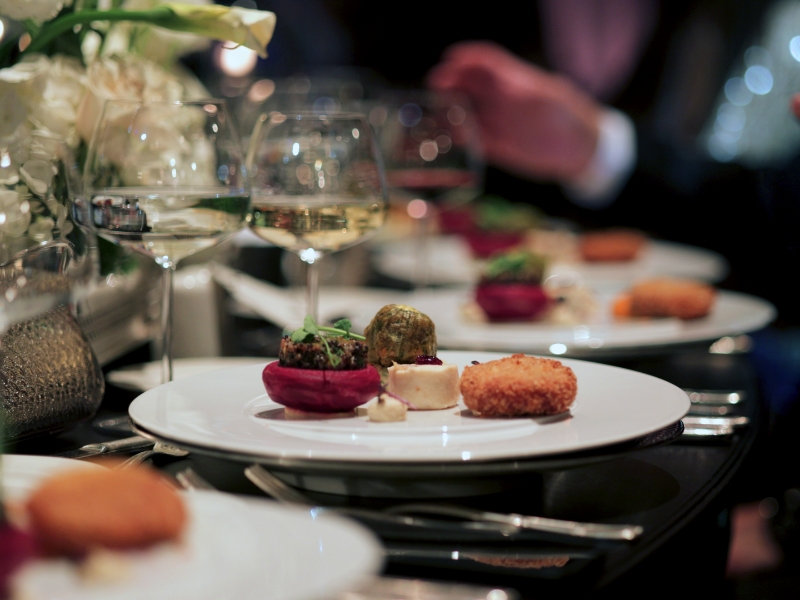
Nowadays people tend to downplay overt luxury and ostentatious wealth, instead favoring more understated signals of high quality or social standing. This is known as ‘covert prestige’, meaning that linguistic features are used to disguise or hide elite status. For example, renowned restaurants reviewed by the New York Times are praised for “not trying too hard”, and for having brief menus with very few dishes. Reviews also tend to highlight a restaurant’s use of ethnic or cultural linguistic markers, such as the Italian-American word “gravy” to describe tomato sauce. This specific use of language creates a sense of locality, simplicity and historicity, helping to establish high-end restaurants’ authenticity and credibility. In turn, this is how people are taught how to indulge in luxury without appearing too elitist or privileged.
About the author

Gwynne Mapes is a senior researcher in Language and Communication at the Department of English. Her research falls under the domain of critical sociolinguistics, applied linguistics, and discourse analysis.
Magazine uniFOKUS
What do we really need?
This article first appeared in uniFOKUS, the University of Bern print magazine. Four times a year, uniFOKUS focuses on one specialist area from different points of view. Current focus topic: Luxury