In Focus
How has our understanding of luxury changed over the course of history?
Digital medicine
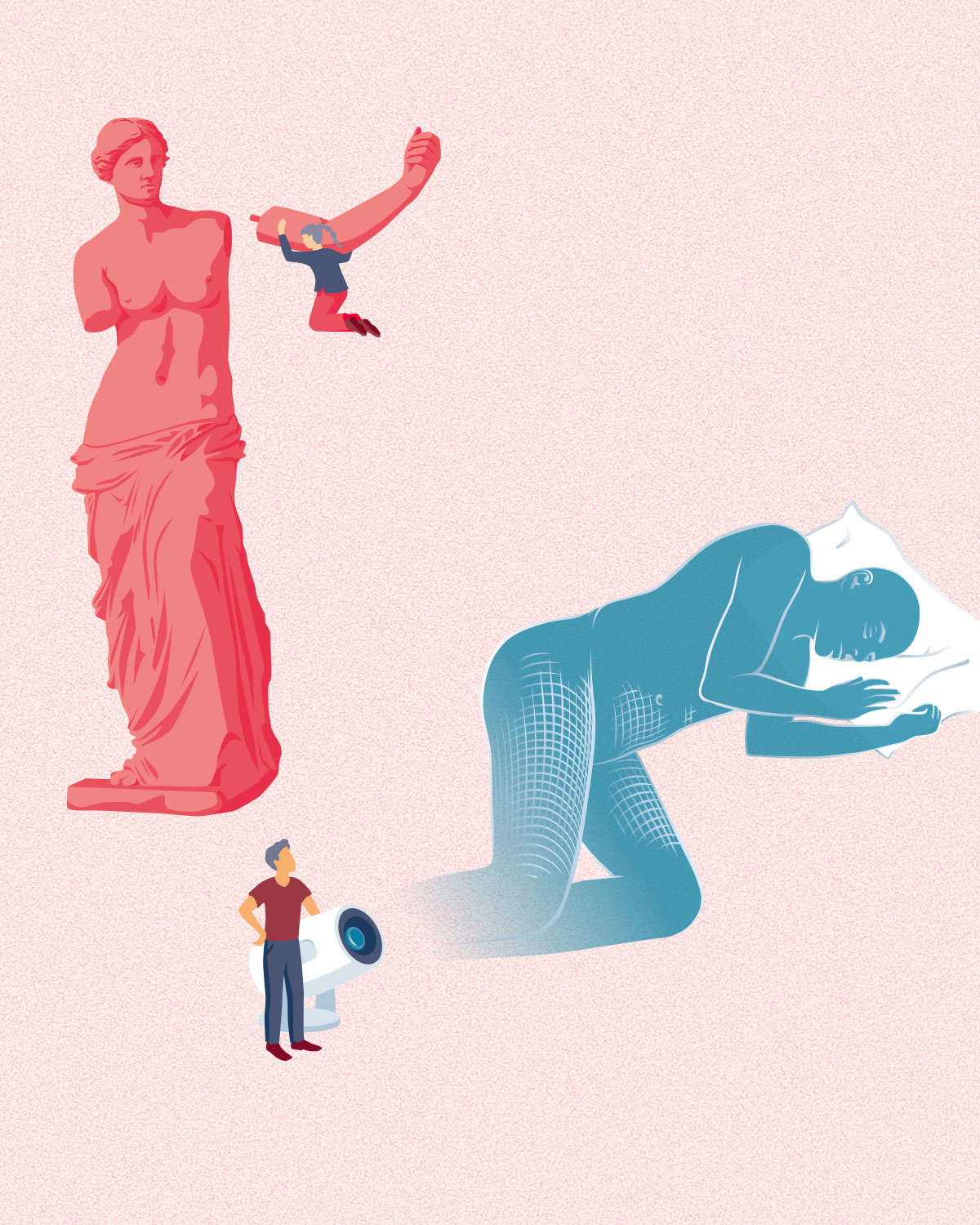
The surgery is over and the wound has been sutured – but the critical phase for patients is not over. Researchers in Bern have developed an AI-based model that can calculate the risk of postoperative infection immediately after surgery.
Healthcare costs
Switzerland has mandatory health insurance, But the premiums people need to pay for it continue to rise. Is health becoming a luxury? Health economist Michael Gerfin, public health researcher Annika Frahsa and medical ethicist Rouven Porz offer their perspectives.
Transparency in clinical trials
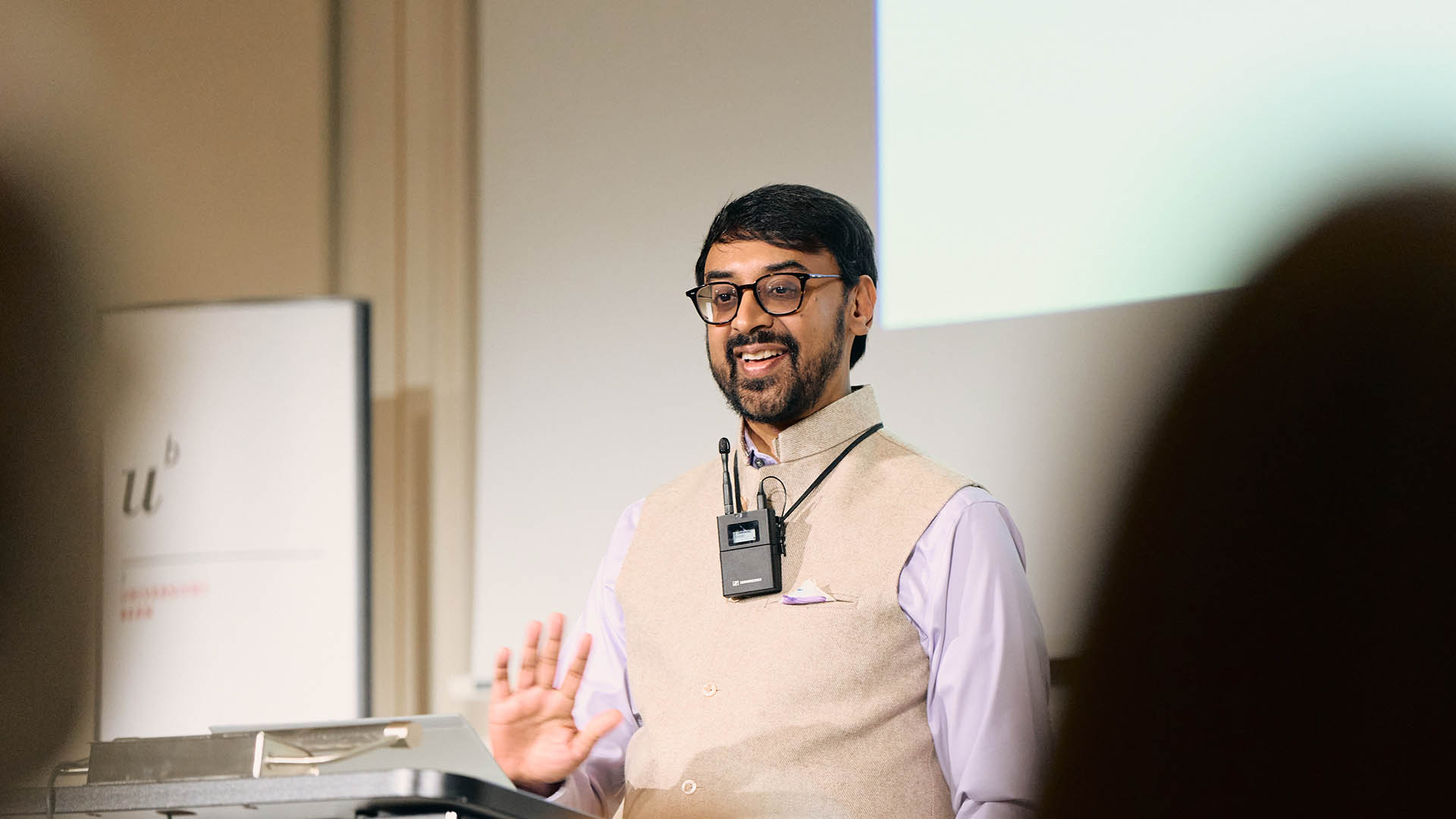
Psychologist Jamie Cummins has developed an AI tool that helps researchers assess the quality of scientific publications. In this interview, he explains how it works—and why AI doesn’t replace humans.
Biomedical Engineering
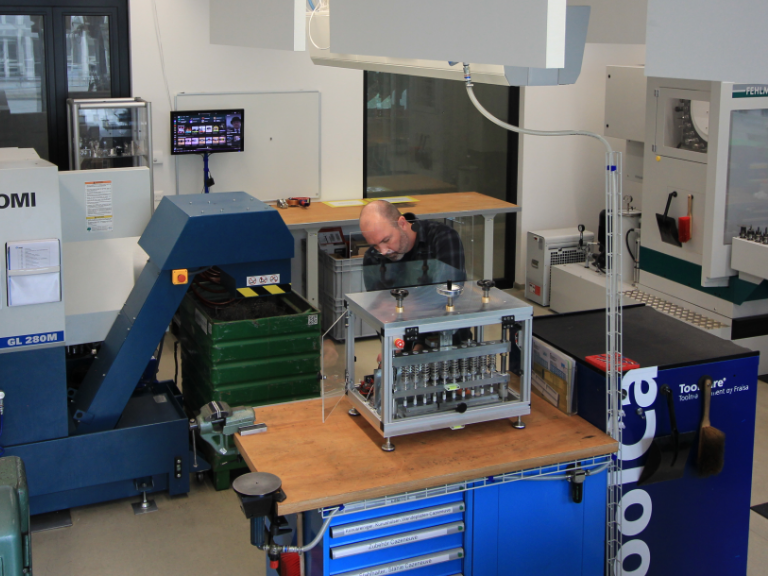
The Faculty of Medicine at the University of Bern is home to one of the University's strategic centers: the ARTORG Center for Biomedical Engineering Research. For 18 years, clinical practice, research and technology have been converging here to improve patient care.
New endowed lectureship
Thanks to the support of the Diabetes Center Berne (DCB), the University of Bern is establishing a new endowed lectureship at the Institute of Infectious Diseases (IFIK). Its aim is to investigate the role of the gut microbiome in metabolic diseases such as obesity, diabetes and related diseases and to develop new approaches to prevention and treatment.
Medicine
Immune cells in the abdomen can accelerate the healing of skin wounds, even in distant parts of the body. This has been shown by an international research team led by Inselspital, Bern University Hospital, and the University of Bern.
Biosafety
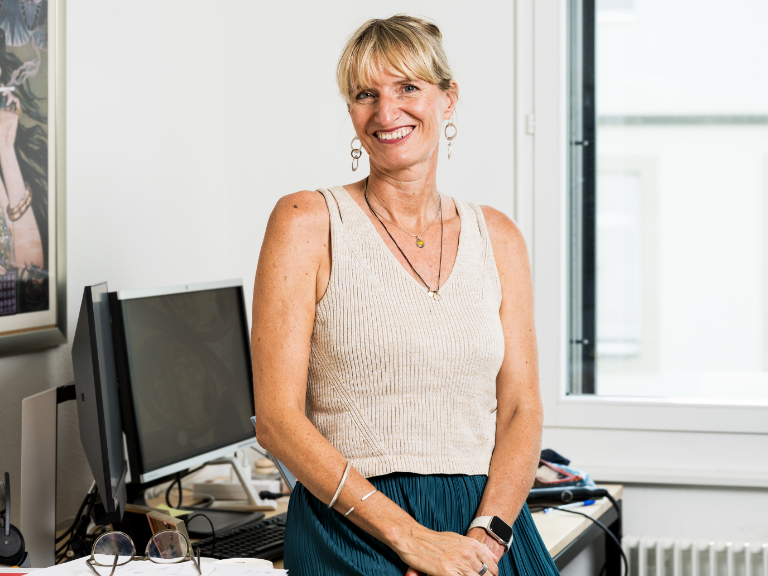
Kathrin Summermatter, Head of the Bern Biosafety Center, was part of an expert panel on the origins of Covid. In the interview, she talks about the difficult collaboration with China and the importance of the University of Bern's commitment to the WHO.
Luxury tourism
Gstaad has a reputation as an alpine oasis for the rich. Ordinary mortals watch the goings-on with fascination and wonder. Tourism researcher Monika Bandi Tanner explains how Gstaad strives to strike a balance between luxury and accessibility.
Work-Life-Balance
Expensive daycare, lagging gender equality, and delayed parenthood: many factors are contributing to the declining birth rate in Switzerland. What would need to change to reverse this trend?
Between desire and exclusivity
Luxury promises status, a sense of belonging and a feeling of uniqueness. But when is it that we reach for the expensive brands, and how do companies succeed in making themselves seem more desirable? A look behind the psychology of luxury consumption.
A question for Jonas Weber
Jonas Weber is a professor of criminal law and criminology and explains what language analysis can do in criminal prosecution.
University
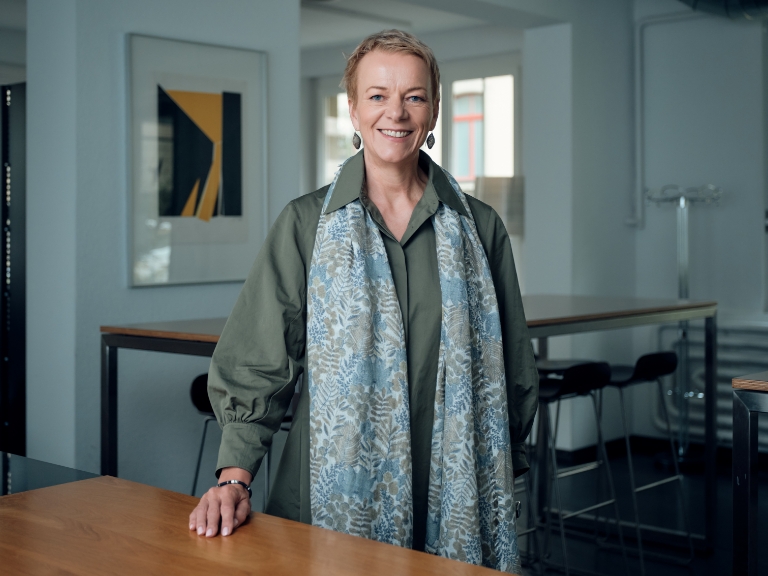
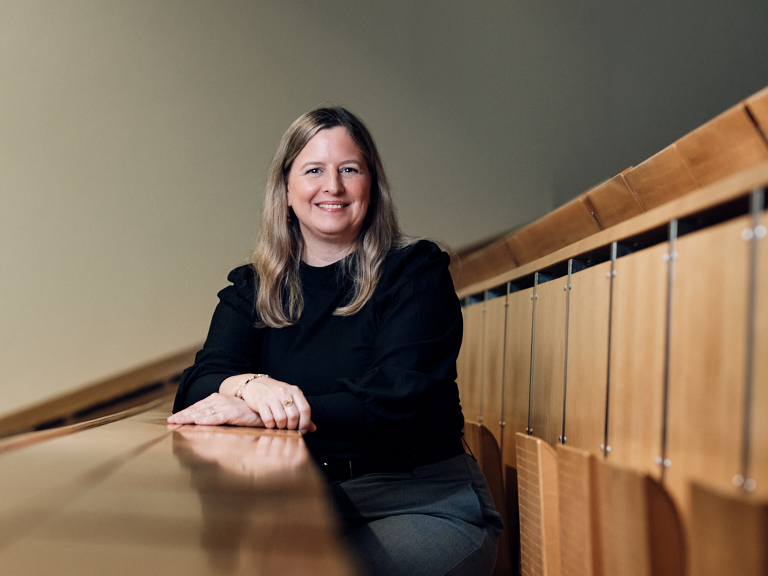
Effective from 2027, the University of Bern will implement new guidelines for the planning of professorships. Rector Virginia Richter outlines why the changes are necessary and what they will entail.
Elite Sports and University
Angeline Favre needs the ability to stay focused both on the fencing piste and in her studies. As an épée fencer on the Swiss national team and a master’s student at the University of Bern, she navigates two worlds that both demand her full attention.
Luxury in everyday working life
Being allowed to fail, feeling free and safe at work — or simply the daily commute: five employees of the University of Bern describe what luxury in everyday working life means to them.
Innovative Teaching
The IMPULS: LEHRE programme supports innovative teaching projects at the University of Bern. One of them is the “Treasure Chest”. It contains teaching formats designed to help students engage with the notoriously unpopular subjects of statistics and mathematics through real-world scenarios.
The Cantonal Government of Bern has elected a new Vice-Rector to the University Executive Board. Nadia Mercader Huber will take over as Vice-Rector for Research and Innovation on January 1, 2027.
From the executive board
The University of Bern now has an academic code of conduct that builds on existing UniBE directives and guidelines. Heike Mayer, Vice-Rector Quality and Sustainable Development, explains the reasons for its introduction.
Equal Opportunities
To mark “IDAHOBIT” on May 17, uniAKTUELL introduces the newly founded Queer UniBE network. A conversation about visibility and what an inclusive university actually means in everyday life.
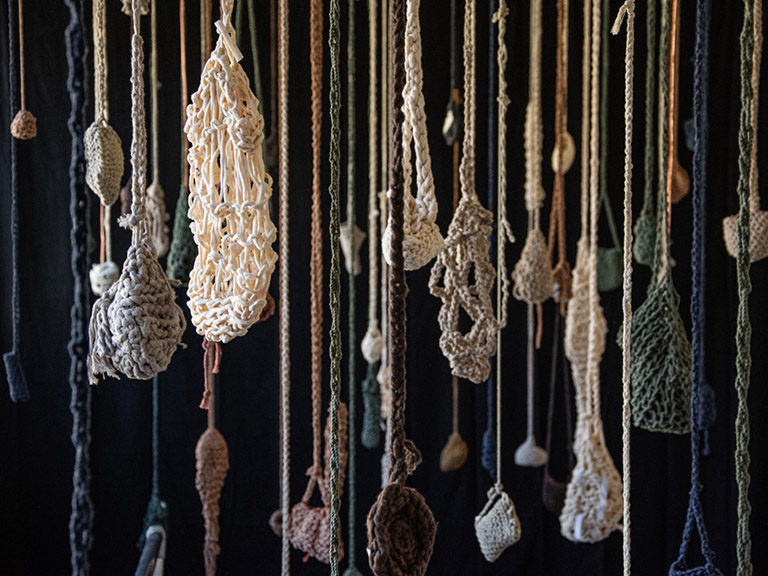
What do we really need?
How has our understanding of luxury changed over the course of history, and how do we view it today? Can the desire for luxury be reconciled with efforts toward more sustainability?
Research is not a luxury
Nicola Low, a professor of epidemiology and public health, conducts research on communicable diseases and their prevention. She explains in the video that this also helps prepare for potential health crises.
Trade in luxury goods and customs policy
In Switzerland, people don't splurge, they usually treat themselves to things that only at second glance seem like they cost a lot. On the other hand, exports from the Swiss luxury goods industry are growing despite Trump's tariffs and the strong franc, says trade expert Manfred Elsig.
Michele Weber studies the elementary particles of the universe and the forces between them. In the video, he explains how his research generates fundamental knowledge and drives technological advancements.
Universe
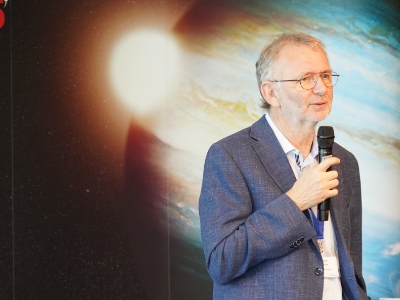
After twelve years, the National Center of Competence in Research (NCCR) PlanetS came to a close at the end of May. Its director, Nicolas Thomas, looks back on the internationally acclaimed planetary research conducted at the Universities of Bern, Geneva, and Zurich, as well as at ETH Zurich, and introduces the follow-up project, SIPS.
Andrea Fortier, an astrophysicist and manager of the CHEOPS space mission, studies distant planets. In the video, she explains why research is an investment in the future that ultimately benefits everyone.
Planetology
Oliver Schib has developed a new model for planet formation. His computer simulations show how the gas and dust disks around young stars develop and how instabilities can lead directly to the formation of giant planets.
From the inkwell to the keyboard
Language without writing? Hard to imagine. In this interview, Hanne Griessmann and Roland Reichen explain how writing emerged, why it still shapes us today and why handwriting will probably stay with us for some time to come.
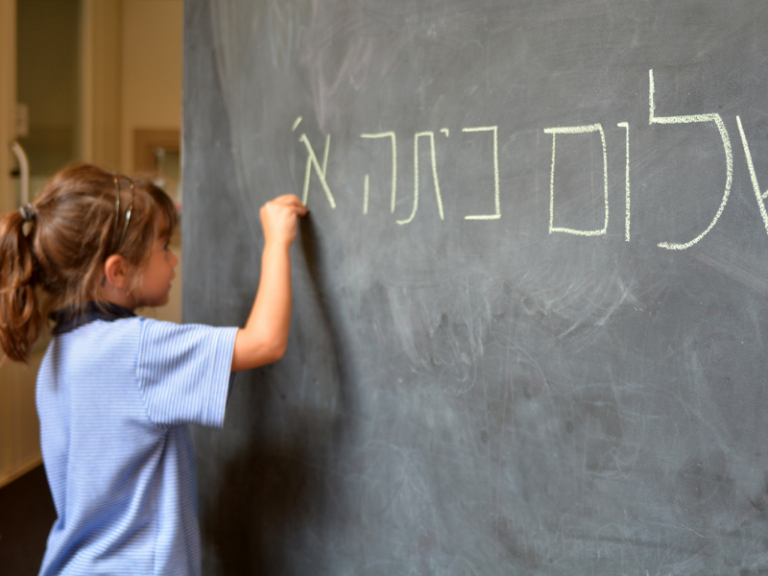
On identity and exclusion
Language is never neutral; it is always political. It shapes national identity, fosters a sense of belonging and establishes boundaries. In this article, sociolinguist Erez Levon uses examples from Israel and Switzerland to explain these dynamics.
Equal opportunities
Racism affects the whole of society – including universities. At a conference at the University of Bern, scholars took a critical look at research and teaching in academia and provided some strategies for combatting racism.
The influence of WhatsApp and other messaging apps
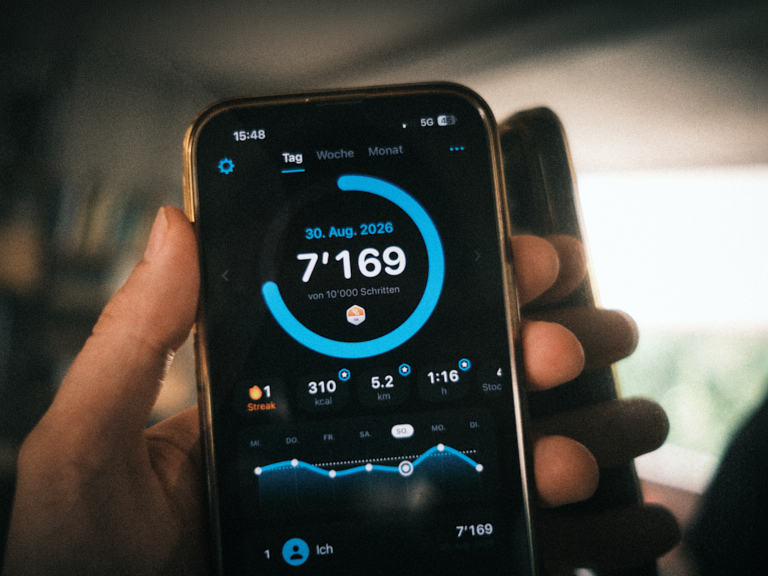
Digital technologies have opened up new possibilities that also influence how we use language. Sociolinguist Florian Busch explains how smartphones are changing our everyday communication and giving rise to new forms of language.
Communication in the workplace
Speak clearly, listen attentively, defuse conflicts: Eva Schürch from the Institute of Psychology teaches conversation management and gives in the video tips and tricks for good communication in everyday working life.
Linguistics
"Mattenenglisch" is an old secret language of Bern's Matte neighborhood that combines Bernese German words in new ways. To better understand the linguistic processes behind Bernese German, linguist Florian Matter is taking this phenomenon under the microscope.
Psychology
A comprehensive meta-study led by Christa Nater examines how misogynistic content in the media influences people’s attitudes. While people of all genders react similarly to subtle hostility, men exhibit stronger negative reactions to explicit violence.
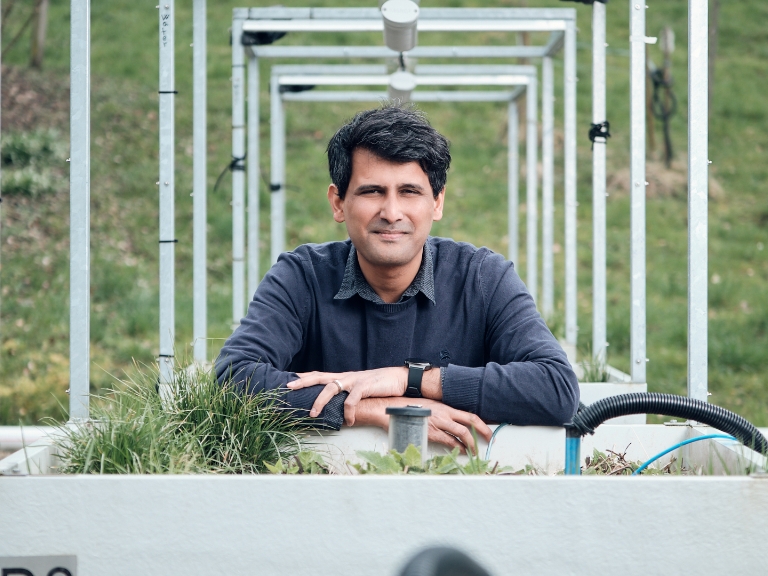
Maddy Thakur studies how climate change impacts biodiversity. In the video, he explains that his work is essential for gaining knowledge, taking preventive measures, and ensuring a livable future.
Profile of a climate scientist
Franziska Aemisegger, a climate scientist from Bern, spent hours flying in a propeller plane beneath the clouds over the North Atlantic. In this profile, she explains what she hopes to discover and why she owes her research career to a famous French author.
Bern’s Largest Housing Development Project
Within the next twenty years, 3,000 people are expected to move into Bern’s Viererfeld district. Researchers at the University of Bern’s Institute of Geography have launched a wide range of projects to study the transformation of this area of land in the north of the city into a new urban neighbourhood.
Rubbish or resource?
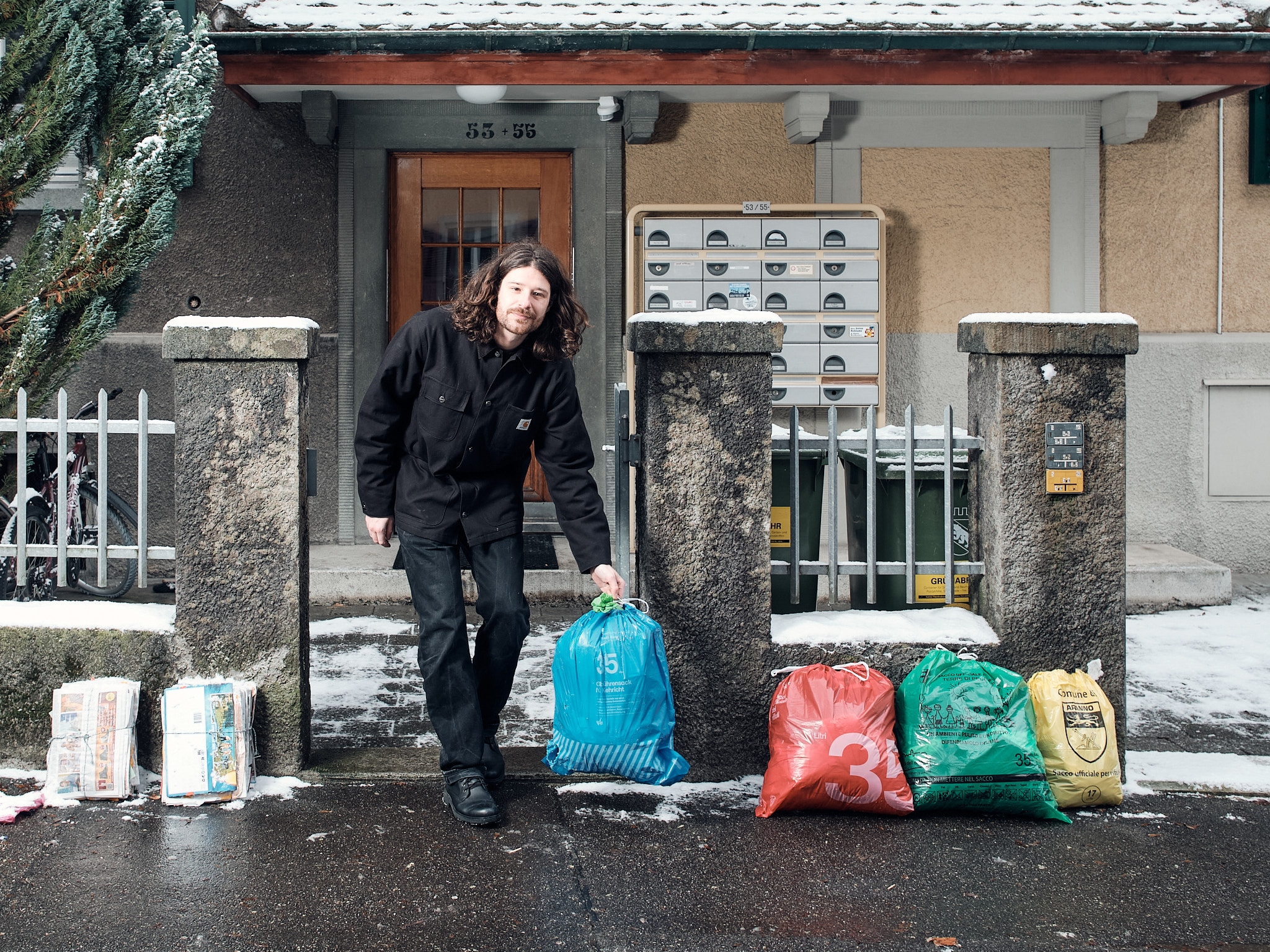
Talking about waste is usually a necessary evil. But the way we refer to it and talk about unwanted waste also determines how we deal with it. A project at the Department of English at the University of Bern is looking for new ways to approach the grubby pariah linguistically.