A Question for Stefan Tschanz
Should I donate my body?
Stefan Tschanz, a lecturer at the Institute of Anatomy at the University of Bern, explains why body donations are indispensable for medical education — and how the deceased become “silent teachers.”
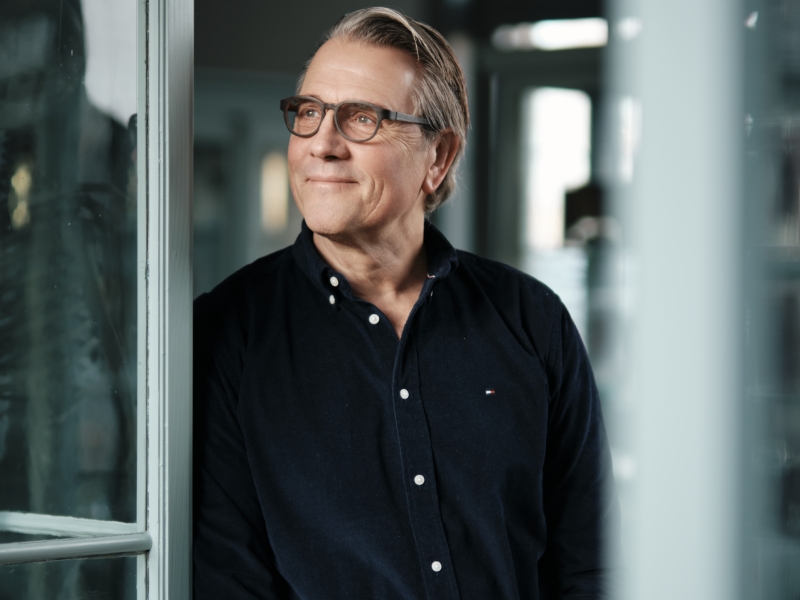
Bequeathing one’s body for the education of future doctors is a final, deeply altruistic service to humanity. As a “silent teacher,” a donated body gives our students an irreplaceable opportunity to gain a practical understanding of human anatomy. At the same time, confronting death instils a reverence for life and provides comprehensive preparation for clinical practice.
Those who decide to donate their bodies make this decision during their lifetime and register with the Institute of Anatomy, regardless of age. By taking this step, they become part of our students’ educational journey: over the course of several years, the carefully preserved body accompanies them throughout their anatomy training. The process culminates in a memorial service organized by the students themselves, at which the deceased are laid to rest in the Anatomy Institute’s communal grave at Bremgarten Cemetery.
Magazine uniFOKUS
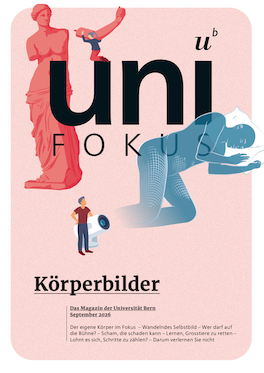
Body images
This article first appeared in uniFOKUS, the University of Bern print magazine. Four times a year, uniFOKUS focuses on one specialist area from different points of view. Current focus topic: Body images
About the Person
Stefan Tschanz
is a lecturer at the Institute of Anatomy at the University of Bern. His teaching focuses on the microscopic and gross anatomy of the musculoskeletal system. He is actively involved in the organization and innovation of medical education at the faculty level and conducts research into mucociliary clearance in the lungs.