Institute of Marketing and Business Management
Conscious and satisfying gift-giving
The Christmas gift season has been in full swing since Black Friday, if not before. Discounts and emotions tempt people to make impulse purchases. Which strategies help us to make more conscious decisions on online platforms and in stores?

Have you ever ordered anything on Temu? In the autumn of 2025, a survey of 1,005 Swiss respondents showed that around 60% had already bought something on a low-cost platform such as Temu. Almost three quarters had bought more than they planned to due to the low prices. And around half of them felt guilty after buying from Temu. This data shows that people make impulse purchases on Temu and the like and that customers are not necessarily satisfied after their purchases.
The significance of online shopping can also be seen during the Christmas season: according to a 2024 survey, online retailers account for 37% of Christmas gift purchases – dominated by marketplaces like Temu and Amazon.
Impulse purchases during the Christmas season
Impulse purchases are spontaneous, immediate, ill-considered, and knee-jerk purchases. Whether or not an impulse purchase is made depends both on the impulsivity of the buyer and on the incentives that retailers deliberately use, such as discount campaigns and emotionally charged advertising.
“People who are less impulsive and think things through tend to be less prone to impulse purchases. Those who are more impulsive or start looking for gifts late are more prone to impulse purchases.”
- Geraldine Holenweger
This interaction is particularly evident when it comes to buying Christmas gifts: People who are less impulsive, start their shopping early and think things through tend to be less prone to impulse purchases. Those who are more impulsive or start looking for gifts late are more prone to impulse purchases.
Impulse purchases do not necessarily have to be a bad thing. As long as you are not buying or spending more than you intended and are satisfied with your purchases, impulse buys can be an efficient and stress-free option.
Strategies of online marketplaces and brick-and-mortar retailers
Online marketplaces use various strategies to encourage impulse purchases. The ordering process is designed to be as simple and quick as possible, so the buyer does not have time to reconsider their decision. Discount campaigns often elicit time pressure, such as “this offer is only valid today” or urgency, such as “only a few items left”.

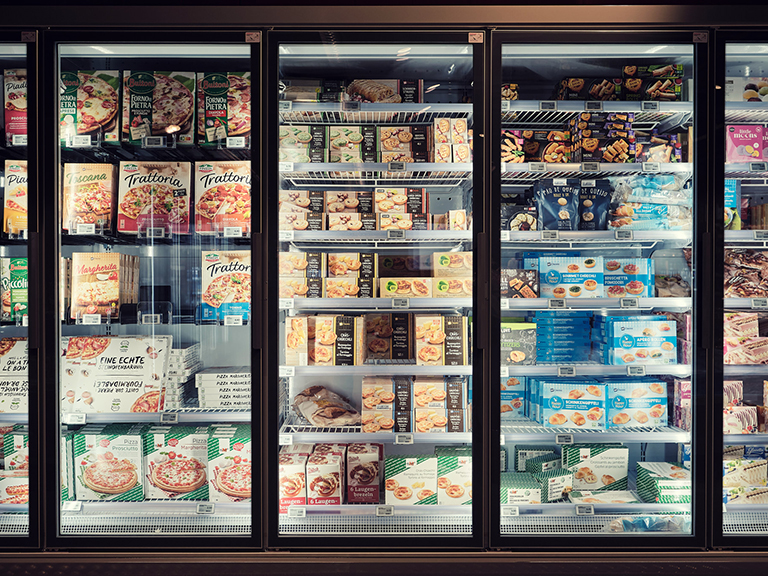
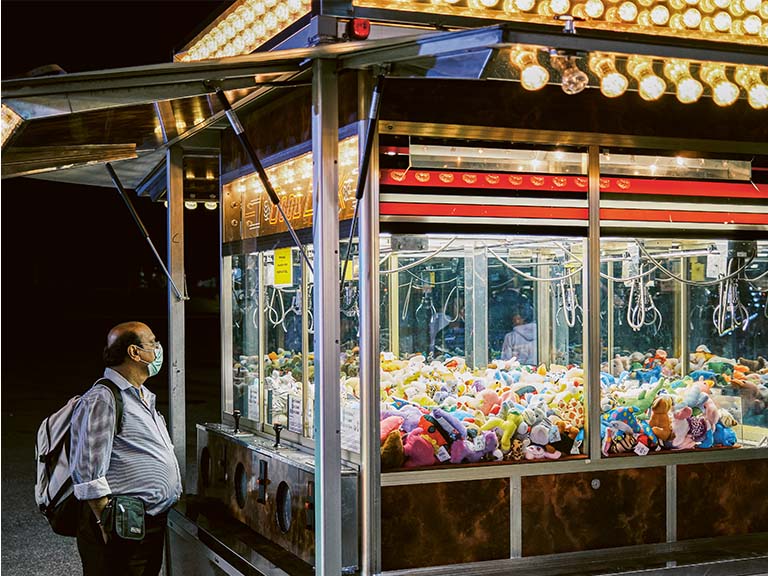
Consumers can also be tempted to make impulse purchases in shops. Overcrowded shops, Christmas music, various fragrances and festive, sparkling colors can easily create a sensory overload, leading consumers from a goal-oriented shopping mode to an exploratory one. By the time you reach the checkout, passing all the special offers and additional items, you quickly develop new purchasing desires that weren’t on your wish list before.
Tips for more conscious gift buying

- Many retailers’ strategies aim to trigger an impulse in buyers to make an immediate purchase. As a counter-strategy, you can try to suppress this impulse. This can be achieved by deliberately taking a break between the impulse and the purchase, i.e., “sleeping on it”. If you’re shopping online, you can add the item to your shopping cart, but then wait to place the order until the next day.
- You can also try to expose yourself less to the temptations of retailers. In the contemplative Advent season, it is a good idea to step back from digital devices and crowded shops and spend more time with your loved ones. This means you are less exposed to discounts and emotional advertising, making it easier to resist these temptations.
- In order to be able to buy the necessary Christmas gifts consciously, it’s a good idea to made a list and stick to it. If-then plans can help: If I do Christmas shopping in the city, then I only buy what's on my list. If I do Christmas shopping online, then I only add items to the shopping cart that are on my list.
- Another strategy can be forward thinking. When giving gifts, it is particularly important to us that the person who receives the gift is happy when they open the gift. However, it is more important for the recipient to enjoy the gift in the long term. To ensure long-term enjoyment, you can try to imagine whether the recipient will still enjoy the gift at the end of January.
Gifting time as a more sustainable option
A good Christmas present that will bring long-term enjoyment requires a certain amount of effort. You either invest money, time, or both. Instead of spending a large amount on consumer goods, you can also consider gifting your time, for example, a joint outing or an evening of childcare. Gifting time instead of consumer goods can also be the more sustainable option. Surveys show that: Consumers do care about this aspect: 28% of respondents to the 2024 survey mentioned above stated that sustainability considerations are important for them when choosing gifts.

Department of Consumer Behavior & Behavior Change
The Department of Consumer Behavior studies the attitudes, decisions and behavior of consumers. Research, teaching and service projects are designed to promote health and sustainability behavior in line with the UN’s Sustainable Development Goals. The work is interdisciplinary, involving experiments, quantitative and qualitative surveys and process tracing methods. The approaches originate from the fields of social, environmental and economic psychology, judgment and decision making, social marketing and behavioral economics.
Subscribe to the uniAKTUELL newsletter

Discover stories about the research at the University of Bern and the people behind it.