
Behavioral research
Social competence in fish depends on siblings
Researchers at the University of Bern have shown that both the number of siblings present during early life and the quality of their interactions with them are crucial for the development of social competence in cichlids.
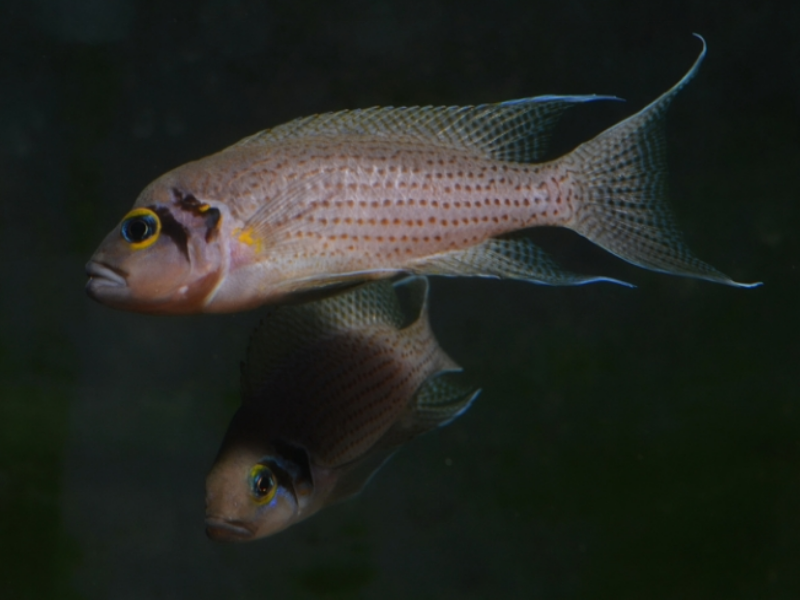
The social environment that humans experience during their development plays a crucial role in the development of social competence – the ability to react appropriately to social challenges. The sibling environment is particularly important for the development of children's social behavior, especially their social competence. Many animal species are also born in litters or broods of different sizes, with interactions with siblings dominating early social experiences. However, there is little knowledge about the role of siblings in the social behavior of animals.
This is targeted by a new study by Barbara Taborsky, Professor in the Department of Behavioral Ecology at the Institute of Ecology and Evolution, and Bruno Camargo dos Santos, PhD student in the Department of Behavioral Ecology at the Institute of Ecology and Evolution at the University of Bern . In a long-term experiment with African cichlids, they show for the first time that both the number of siblings and the quality of interactions with them play a crucial role in the development of social competence in fish. The study was published in the journal Proceedings of the National Academy of Sciences (PNAS) and provides new insights for fish behavioral research.
To the media release 26.02.2026
Subscribe to the uniAKTUELL newsletter

Discover stories about the research at the University of Bern and the people behind it.