
Fighting common diseases
Four research routes to a healthier future
How does the University of Bern contribute to the fight against common diseases? Through four examples, researchers demonstrate how their work is improving the treatment of dementia, cancer, mental health conditions and obesity – and thus directly benefits the broad population.
Fight memory loss with games

“Back in my home country of New Zealand, I worked as a game designer for the film industry. Since 2019, I’ve been developing science-based games at the ARTORG Center with researchers in geriatric psychiatry. The goal here is to improve memory function through training and thereby slow the progression of dementia. We’ve already developed several games and tested them with older adults. In these games, for example, players move around virtual houses and train their spatial memory. Participants say they experience an improvement in their memory and quality of life as a result. Now the challenge is to prove this objectively. As a game designer, I see it as my job to ensure that the games are not only effective but also fun. None of our games are on the market yet – but hopefully they will be soon.”
Supporting cancer survivors
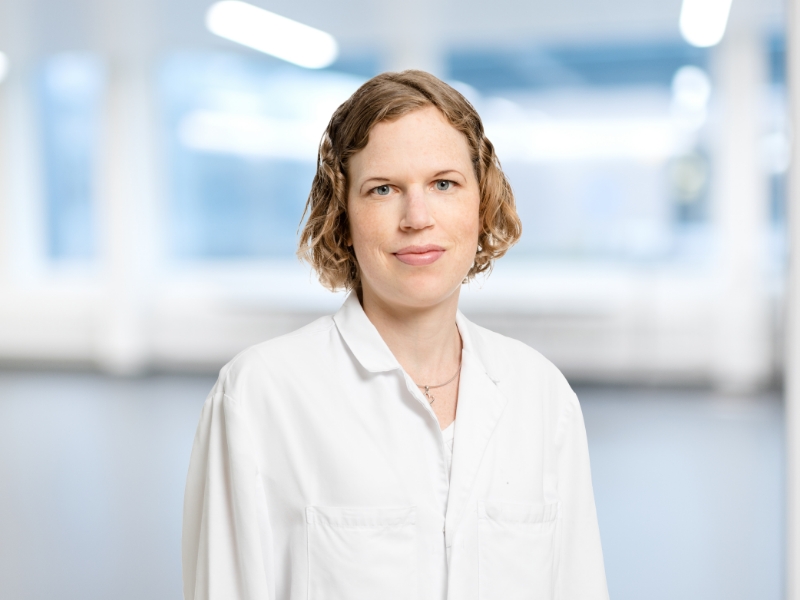
“Fortunately, cancer can often be cured today. However, many survivors suffer from long-term effects of the disease or its treatment. Especially when someone had cancer as a child, effects can still manifest decades later – such as heart problems or skin conditions. This is why we offer a cancer survivor consultation at the Medical Polyclinic of Inselspital, Bern University Hospital. The goal of this service is to detect long-term effects early enough to provide patients with the best possible treatment. We inform those affected about their risk of long-term effects and the symptoms that warrant seeking medical help. At the same time, we conduct research with cancer survivors. In doing so, we examine their motivation for follow-up care, their quality of life, their health-related concerns and their satisfaction with cancer follow-up care.”
Losing weight with chewing gum
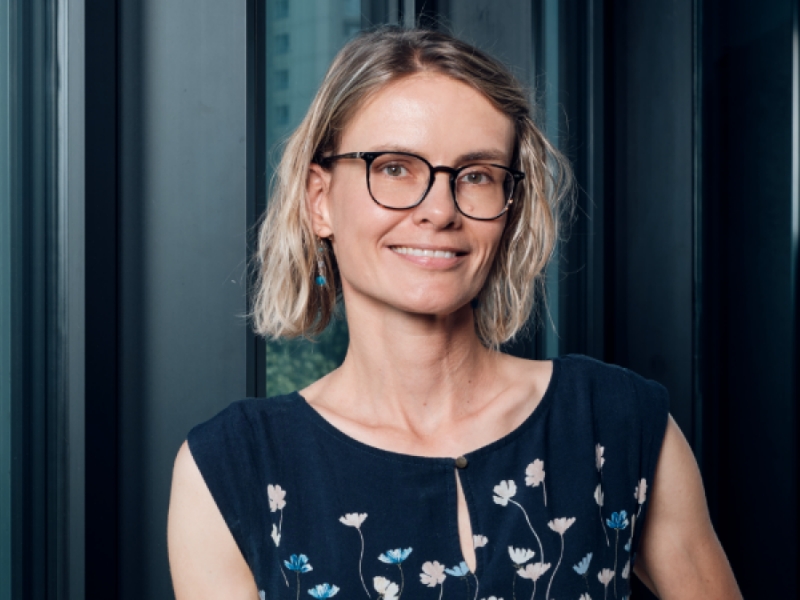
“Chewing a special type of gum three times a day could help reduce excess weight or prevent obesity. Even conventional chewing gum affects metabolism: when we chew, we burn energy, and at the same time, the increased saliva flow reduces feelings of hunger. Our research group aims to further enhance this effect. Normally, chewing gum primarily releases flavorings and sweeteners, while the gum itself remains virtually the same. Our chewing gum works differently: it consists of about one-third dietary fiber, which is released during chewing, swallowed and then reaches the intestines. There, it influences the microbiome and could thus positively alter metabolism. This is also intended to help reduce weight and stay healthy.
We are currently investigating whether and how exactly this novel chewing gum actually helps with weight loss in two separate studies. The results of the first study with children and adolescents look promising and will be published soon. In a second study, we are monitoring adults over a longer period of time. We are particularly interested in whether the dietary fiber can lead to lasting changes in the microbiome and how frequently the gum would need to be used over the long term.
Our goal is to bring the gum to market in 2027. It is not intended to replace a balanced diet, but rather to supplement it. Especially for people who don’t get enough fiber in their daily diet, it could be a simple aid for achieving weight loss.”
Well cared for at home

“Can children and adolescents with severe mental illness be treated at home instead of in a clinic? We launched the “AT_HOME” project in 2019 to address this exact question. In this project, an interdisciplinary team of specialists in medicine, psychology, nursing and education is responsible for the young people with mental illness and typically visits them daily at home for three months. In a study, we were able to show that, two years later, children and adolescents treated at home were in better mental health than those who had been treated in a hospital. The advantage lies in the possibility that, at home, the broader environment, such as family and school, can also be involved. Our program is by now part of the standard care system in the Canton of Bern and is set to be expanded further.”
Magazine uniFOKUS
Body images
This article first appeared in uniFOKUS, the University of Bern print magazine. Four times a year, uniFOKUS focuses on one specialist area from different points of view. Current focus topic: Body images