Abuse of power at universities
“Use the Advisory Services”
Swiss media recently reported cases of abuse of power at universities. The University of Bern would like to use this report as an opportunity to explicitly draw attention to its advisory services, as Vice-Rector Heike Mayer explains in an interview.
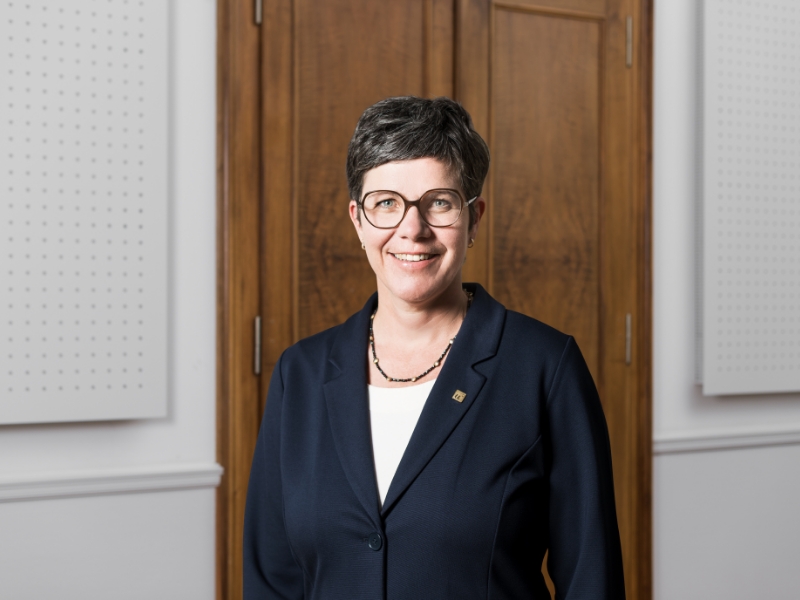
Heike Mayer, there have been reports of systemic abuses of power at universities in Switzerland. How would you rate these reports?
Heike Mayer: Although the survey conducted by the collective REFLEKT research team is not representative, it does point to real experiences. These reports therefore primarily show that there are cases of abuse of power at universities and research institutions in Switzerland. However, we do not know when these particular cases of abuse happened or how severely individual universities or research institutions are affected, and we certainly need to differentiate somewhat, because not every instance of rude or disrespectful behavior by supervisors is always synonymous with abuse of power. But we are all aware that the academic culture and system are not perfect. We also know that there is a strong interdependence and pronounced hierarchies, particularly between young academics and professors, and that such structures are more susceptible to misconduct. The University of Bern is therefore also committed to improving the academic culture in line with the Better Science Initiative, because an appreciative and fair environment is fundamental to academic excellence. However, I would like to emphasize that the University of Bern does not tolerate any abuse of power in any way.
Are you aware of such cases at the University of Bern and how does the University Executive Board deal with them?
There have been and are such cases at the University of Bern. If the University Executive Board becomes or is made aware of these cases – there are at most a handful per year – we deal with them regardless of position and hierarchy. However, most of them are already properly and seriously investigated and dealt with at the lower levels of authority. We are also constantly reviewing where our structures can be improved in order to prevent situations of abuse of power from arising in the first place. For example, we have now made it mandatory for a written agreement to be concluded between doctoral and postdoctoral students and their supervisors on the framework conditions. We also attach great importance to ensuring that our supervisors are familiar with and live up to the values of the University of Bern. We explicitly highlight responsibility in introductory events and job interviews, promote further training and also offer a specially developed certificate course, the CAS Academic Leadership.
What can someone do if they are affected and are looking for help?
The University of Bern has a large number of offices that people affected can contact. I would therefore like to make explicit reference to our Advisory service guide for students and staff, which provides an overview of the university and information on how to proceed in such cases. The guide not only conveys information about offers, advisory services and contact points at the University, but also information on the options for dealing with such cases. I understand that it is difficult for those affected to get help from official bodies, for example because people are afraid that this could have negative consequences. It takes courage to talk about abuse of power, but the advisory services can help. I therefore recommend that all those affected take advantage of these offers.
Points of contact and Advisory service guide
The University of Bern offers all employees a comprehensive Advisory service guide. This provides a clear overview of the wide range of advisory services and points of contact, and helps those concerned to quickly find the right support.
Subscribe to the uniAKTUELL newsletter

Discover stories about the research at the University of Bern and the people behind it.